Start Using Tools That Support Your Writing Flow Sometimes, writing isn’t just about ideas—it’s about staying focused, organized, and inspired to keep going. That’s where the best Chrome extensions for writers and storytellers come in. With so many distractions online, these tools can offer just the right support. From grammar Continue Reading

Creating Audio Slideshows With Narration and Photos
Bringing Images to Life Through Voice Photos have the power to tell stories. But when combined with voice, each image becomes even more meaningful. Creating audio slideshows with narration and photos blends visual storytelling and oral narration to create deeper, more personal narratives. This format is perfect for those who Continue Reading
How to Use Mood Boards to Plan Your Digital Story
Beginning with Visual Planning When starting a digital story, a fully formed idea doesn’t always come right away. Often, it begins with a feeling, a color, or a single image. Learning how to use mood boards to plan your digital story serves as a bridge to shape these elements into Continue Reading
Exploring Nonlinear Storytelling for Personal Narratives
Breaking Away from Chronology to Find Deeper Truth When telling your own story, it might feel natural to start at the beginning and move forward in a straight line. But personal experiences rarely unfold that neatly. Memory jumps. Emotions return out of order. And sometimes, the most powerful way to Continue Reading
How to Use AI Voice Tools to Preserve Family Memories
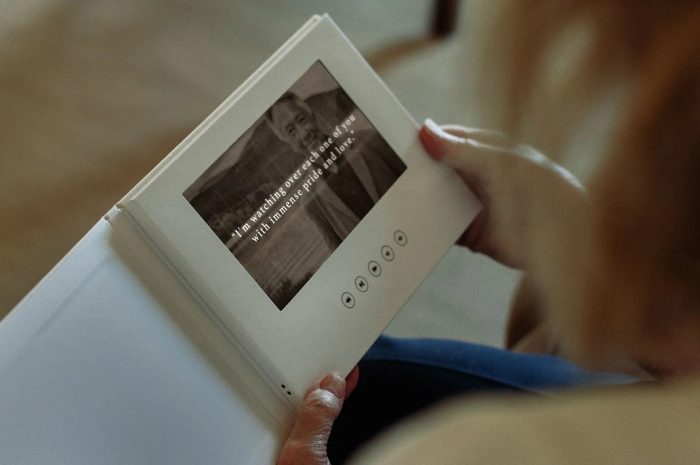
Bringing Stories to Life With Familiar Voices Family memories often live in the way someone tells a story—the laugh in their voice, the way they say a certain name, the pause before a punchline. Learning how to use AI voice tools to preserve family memories makes it possible to keep Continue Reading
How to Use Silence and Subtext in Storytelling
Letting What’s Unsaid Carry the Story Not every story needs loud moments to be powerful. Sometimes the silence between words says the most. In storytelling, silence and subtext create tension, intimacy, and depth. These tools help readers and viewers lean in, read between the lines, and feel more connected to Continue Reading
How to Write Dialogue That Reflects Character Growth
Using Dialogue to Track Emotional Shifts A character’s dialogue is more than words on a page—it’s a window into who they are and how they change. Learning how to write dialogue that reflects character growth means noticing subtle shifts in tone, vocabulary, and cadence as the story progresses. As characters Continue Reading
How Weekly Storytelling Projects Keep Your Memories Consistent
Building Habits That Preserve Your Story Time moves fast. One week blends into the next, and small moments often slip away without notice. That’s where the idea behind how weekly storytelling projects keep your memories consistent comes in. By setting aside time to reflect, write, or share each week, people Continue Reading
How to Record and Share Life Stories Through Audio
Why Capturing Life Stories in Audio Matters Everyone has a story to tell, and audio recording offers a way to preserve personal memories in their most authentic form. The tone, emotion, and personality in a person’s voice add a depth that written words alone cannot capture. Whether it’s a grandparent Continue Reading
How to Build a Family Story Archive for Future Generations
The Power of Preserving Family Stories Every family has a unique history, filled with personal achievements, struggles, traditions, and cherished moments. These stories help define identity, connect generations, and provide insight into the past. However, without preservation, memories can fade, and valuable narratives may be lost over time. That’s why Continue Reading